
Introduction
Many people want to start a business but struggle with the first step: choosing the right startup idea. A business idea is the foundation of every startup. When the idea matches market demand and the skills of the founder, the chances of building a sustainable business increase.
In 2026, digital platforms, global markets, and online tools allow individuals to create businesses in many industries. However, selecting a startup idea requires careful thinking. It involves research, planning, and understanding customer needs.
This guide explains how to choose a startup business idea and how to build a business step by step. The process includes identifying skills, analyzing market demand, testing ideas, and developing a business structure.
Understanding What a Startup Business Idea Means
A startup business idea is a concept that solves a problem or provides a service or product to customers. The goal of a startup is to create value that people are willing to pay for.
Startup ideas can appear in different forms:
A service that helps businesses or individuals
A product that solves a daily problem
A digital platform that connects users
An online store that sells goods
The most important factor is whether people need the solution.
Step 1: Identify Your Skills and Knowledge
The first step in choosing a startup idea is to evaluate your skills and knowledge. Skills reduce the learning curve and allow faster progress when building a business.
Types of Skills to Consider
Common skill categories include:
technical skills
communication skills
writing skills
marketing skills
design skills
When a startup idea connects with existing skills, the founder can begin working without large training requirements.
Questions to Ask
To identify your skills, ask the following questions:
What work do I understand well?
What tasks do people ask me to help with?
What type of work do I perform consistently?
These questions help narrow down possible business directions.
Step 2: Study Market Demand
A startup idea must match market demand. Demand means that people actively search for a solution or product.
Ways to Identify Market Demand
Several methods help analyze demand:
search engine queries
online forums and discussions
industry reports
customer feedback
Search engines show what people look for daily. When many users search for a solution, it signals market interest.
Importance of Demand
Even a strong idea cannot grow without customers. Market demand ensures that a business can generate revenue.
Step 3: Identify a Problem That Needs a Solution
Successful startups solve problems. A problem may relate to time, cost, access, or efficiency.
Common Problem Areas
Problems appear in many industries such as:
education
finance
technology
business services
communication
When people experience difficulty completing tasks, they look for solutions.
Example
A scheduling problem may lead to a calendar management tool. A learning challenge may lead to an online tutoring platform.
Solving real problems increases the value of a startup.
Step 4: Analyze Competitors
Before starting a business, it is important to study other companies that operate in the same space.
Competitor Analysis Includes
services offered
pricing structure
customer feedback
marketing methods
Competitor research reveals how businesses attract customers and what gaps exist in the market.
Finding Opportunities
If competitors focus on one service, a new business may expand into related services or offer alternative solutions.
Step 5: Select a Business Model
A business model explains how a company generates revenue. Different models exist depending on the product or service.
Common Startup Business Models
Examples include:
service based business
product based business
subscription model
marketplace platform
affiliate marketing model
Each model defines how customers interact with the business and how payments occur.
Step 6: Test the Startup Idea
Testing a business idea helps reduce risk before investing time or money.
Methods for Testing Ideas
Testing can include:
creating a basic product version
offering services to early customers
gathering feedback from potential users
A test phase reveals whether customers understand the value of the solution.
Importance of Feedback
Customer feedback shows what works and what needs improvement.
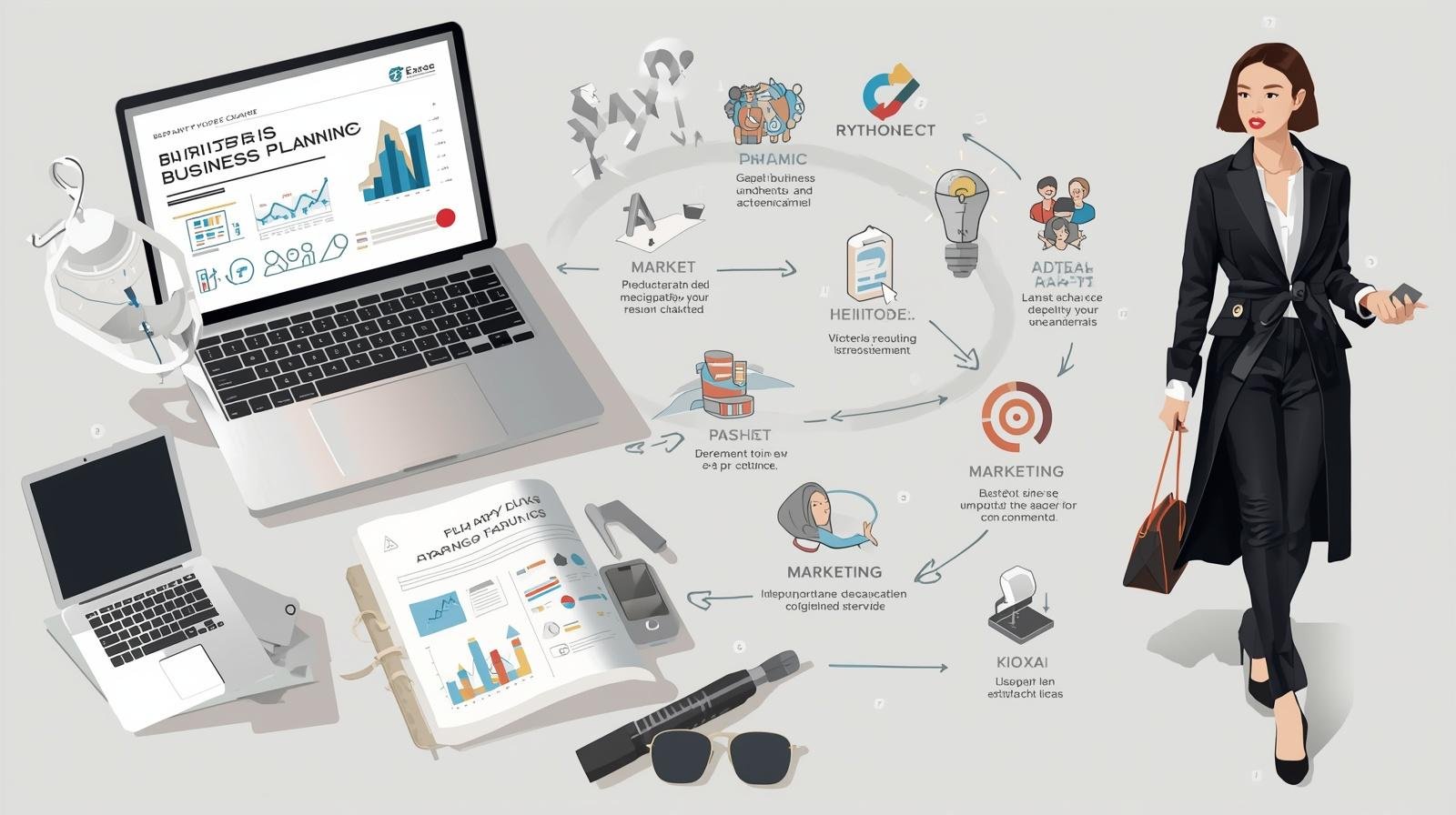
Step 7: Create a Business Plan
A business plan organizes the structure of a startup.
Key Sections of a Business Plan
A basic plan includes:
business idea description
target customer group
revenue model
marketing strategy
operational structure
The plan acts as a roadmap for business development.
Step 8: Build an Online Presence
In 2026, many startups begin with an online presence. Websites and digital platforms allow businesses to reach customers in many regions.
Online Platforms for Startups
Businesses use platforms such as:
websites
social media networks
online marketplaces
mobile applications
Online presence helps customers learn about products or services.
Website Role
A website serves as the central location where customers access information and complete transactions.
Step 9: Develop a Marketing Strategy
Marketing introduces a startup to potential customers.
Digital Marketing Channels
Common channels include:
search engines
social media platforms
email communication
online communities
Each channel helps reach different groups of users.
Content Marketing
Publishing articles, guides, and educational content helps build audience trust.
Step 10: Focus on Customer Experience
Customer experience influences the success of a startup.
Factors That Affect Customer Experience
These factors include:
communication quality
service delivery time
product reliability
support availability
Positive customer experiences increase repeat business and referrals.
Step 11: Manage Finances Carefully
Financial management supports business stability.
Key Financial Activities
Startup founders must track:
revenue
expenses
profit margins
operational costs
Monitoring financial data helps control spending and plan growth.
Step 12: Adapt and Improve the Business
Startup businesses operate in changing environments. Customer needs, technology, and market conditions evolve over time.
Continuous Improvement
Businesses must evaluate operations regularly and adjust strategies.
Improvements may involve:
expanding services
improving product features
adjusting pricing models
Adaptation helps businesses remain relevant.
Common Mistakes When Choosing a Startup Idea
Some founders face challenges because they overlook certain factors.
Lack of Market Research
Choosing an idea without understanding demand may lead to limited customers.
Ignoring Customer Feedback
Customer feedback provides insight into product value.
Expanding Too Quickly
Rapid expansion without stable operations may create operational challenges.
Benefits of Choosing the Right Startup Idea
Selecting the right idea provides several advantages.
Efficient Resource Use
When an idea aligns with skills and demand, fewer resources are wasted.
Strong Customer Interest
Solutions that address real problems attract attention from users.
Sustainable Growth
Businesses built on demand can expand steadily over time.